


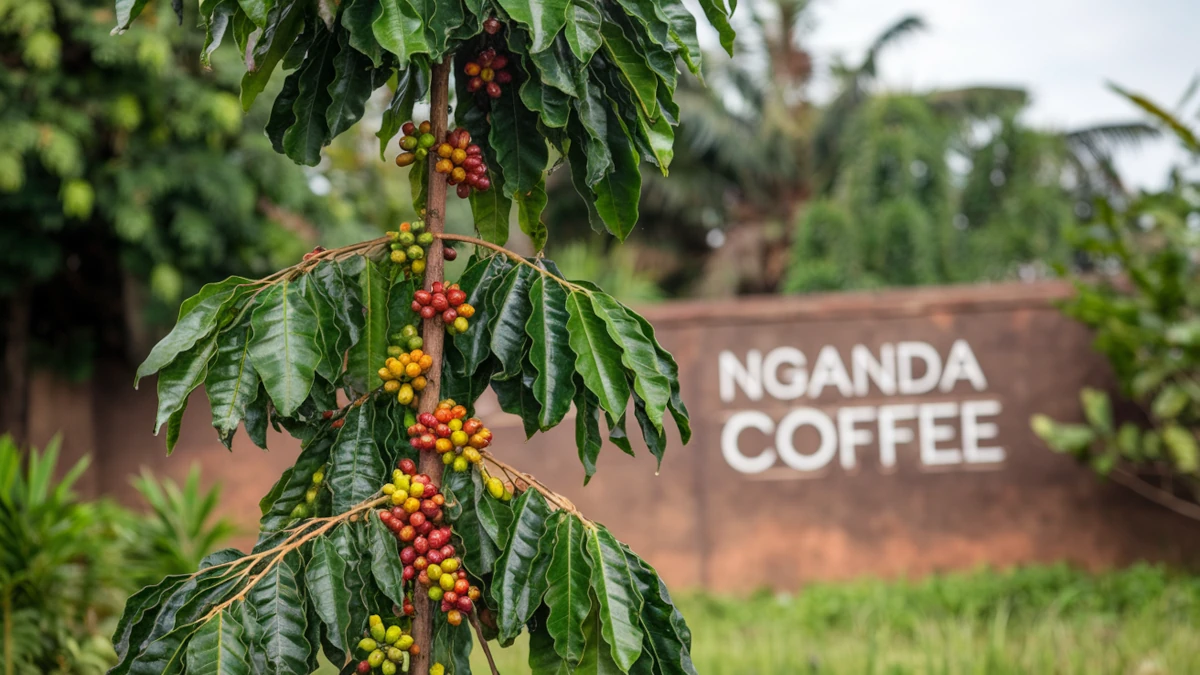
Nganda coffee, a bold sub-variety of Robusta beans, is a gem of Uganda’s coffee culture. Its unique flavor, deep-rooted heritage, and sustainable farming practices make it a standout in the world of coffee.
What is Nganda coffee?
Nganda coffee is a resilient and flavorful Robusta sub-variety that thrives in Uganda’s lush landscapes, embodying the country’s rich traditions and innovative farming techniques.
This article explores Nganda coffee’s origins, unique qualities, brewing tips, and its global perception. By the end, you’ll understand why this coffee deserves a spot in your cup and appreciation for its cultural and environmental significance.
Table of Contents
Origins of Nganda Coffee
Natural Heritage
Nganda coffee flourishes naturally in Uganda, particularly in regions like the Kigimba forest, situated at approximately 3,900 feet above sea level. This coffee variety has survived centuries of political and social upheaval, highlighting its resilience and historical importance.
Cultural Significance
The production of Nganda coffee is deeply intertwined with Ugandan traditions. Farmers use time-honored methods, including handmade pulpers crafted from tree trunks and metal sheets. These artisanal techniques, passed down through generations, preserve the authenticity of Nganda coffee and its cultural identity.
What Sets Nganda Coffee Apart?
Unique Flavor Profile
Nganda coffee offers a bold and distinctive taste, characterized by:
- Earthy, nutty, and harsh tones compared to other varieties.
- A winey brightness, typical of East African coffees, balanced with higher acidity and bitterness.
While it lacks the complexity of Kenyan or Tanzanian coffees, its robust flavor provides an unmistakable experience for those who appreciate strong coffee.
Caffeine and Sugar Content
- High Caffeine Levels: Nganda coffee packs a strong punch, perfect for a morning energy boost.
- Sweet Ripe Cherries: The coffee cherries are naturally rich in sugar, making them a popular local snack.
Environmental Resilience
Nganda coffee plants are naturally resistant to pests and diseases, requiring minimal pesticide use. This sustainability ensures:
- A lower environmental impact.
- Resilient crops that thrive in shaded, biodiverse ecosystems.
Brewing Tips for Nganda Coffee
Nganda coffee’s robust flavor shines with the right brewing methods. Here are three popular techniques to try:
1. French Press
- Use coarse grounds and steep in hot water for 4 minutes.
- This method enhances the coffee’s full-bodied and earthy flavors.
2. Pour-Over
- Opt for a medium-fine grind and pour hot water slowly over the grounds.
- Produces a cleaner and more nuanced cup with a delicate balance of flavors.
3. Espresso
- Use fine grounds and an espresso machine for a concentrated, bold brew.
- Perfect for those who love intense, rich coffee flavors.
Flavor Balance Tip: To soften Nganda coffee’s pronounced bitterness, consider adding milk or sugar to your preference.
Challenges and Global Perception
Market Competition
Despite its bold qualities, Nganda coffee faces tough competition:
- Arabica beans dominate the global market.
- Higher-quality Robusta varieties often overshadow Nganda coffee.
Opportunities for Growth
- Efforts to promote Ugandan coffee varieties could boost Nganda coffee’s global profile.
- Its sustainable and cultural appeal makes it a promising choice for specialty coffee markets.
Conclusion
Nganda coffee stands out as a bold, flavorful, and culturally significant coffee variety. From its natural heritage and unique taste to its resilience and sustainability, it represents the ingenuity of Ugandan coffee farmers.
Whether brewed in a French press, as a pour-over, or as a rich espresso, Nganda coffee offers a distinct experience worth exploring. By supporting this coffee, you’re not only enjoying a great cup but also contributing to the preservation of Uganda’s coffee heritage.