


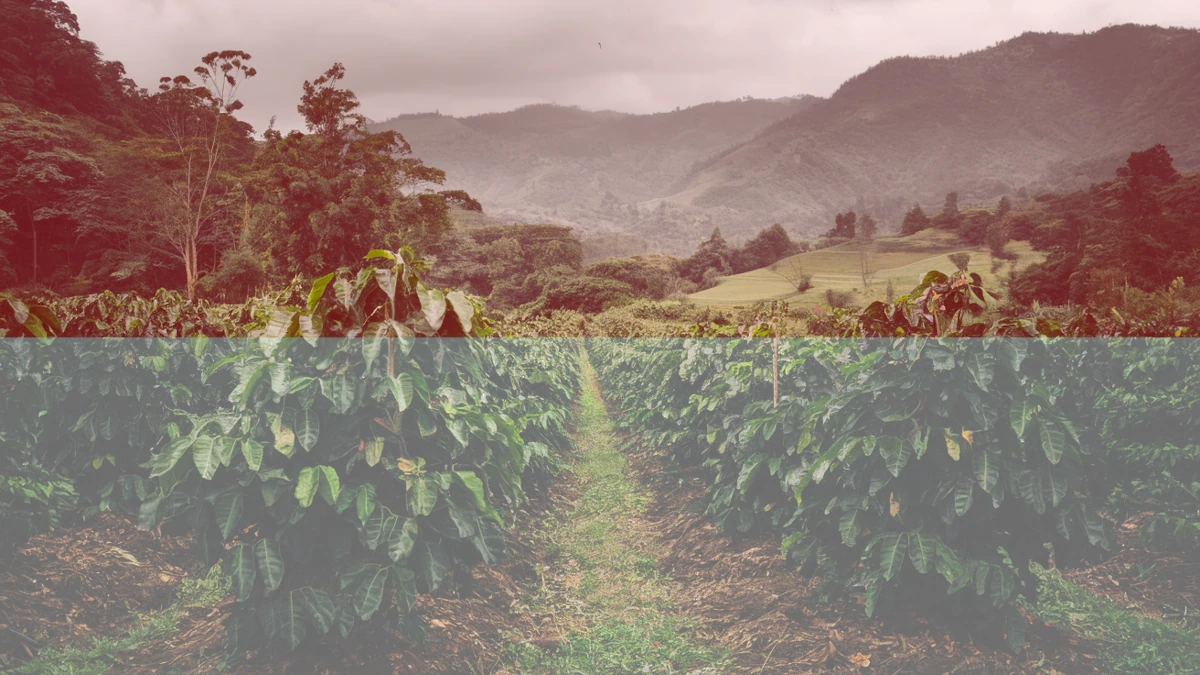
Sumatra coffee is a unique and distinctive coffee variety from Indonesia, known for its earthy, spicy, and complex flavors. Grown in the fertile volcanic soil of Sumatra, this coffee is celebrated for its bold, full-bodied profile and low acidity, making it a favorite among specialty coffee lovers. In this guide, we’ll explore the unique flavors, traditional processing methods, and notable growing regions of Sumatra coffee, offering insights into what makes it so special. By the end, you’ll understand why Sumatra coffee stands out, how it’s made, and where to find the best varieties.
Table of Contents
What is Sumatra Coffee?
Sumatra coffee is a type of coffee grown on the Indonesian island of Sumatra. It’s renowned for its earthy, woody, and spicy notes, with hints of dark chocolate, tobacco, and fermented fruit. These flavors are largely influenced by Sumatra’s traditional processing method, known as Giling Basah (wet-hulling), and its volcanic soil, which adds depth and complexity to the beans.
The Unique Flavor Profile of Sumatra Coffee
Sumatra coffee is known for its:
- Earthy and herbal notes: Cedar, moss, and tobacco.
- Spicy undertones: Licorice, clove, and cinnamon.
- Fruity and fermented hints: Dark chocolate, cocoa, and fermented fruit.
Its low acidity and heavy body set it apart from other coffees, making it a polarizing yet beloved choice among coffee enthusiasts.
Arabica vs. Robusta: What Makes Sumatra Coffee Unique?
While Sumatra produces both Arabica and Robusta beans, Arabica dominates the specialty coffee market. Arabica beans are prized for their complex flavors and smooth finish, while Robusta, which accounts for 75% of Indonesia’s output, is known for its strong, bitter taste and higher caffeine content.
The History of Sumatra Coffee
Coffee cultivation in Sumatra began in 1888, when the Dutch introduced coffee plants to Indonesia. The Dutch colonialists recognized the island’s potential for coffee production due to its fertile volcanic soil and ideal climate. Over time, Sumatra became a key player in Indonesia’s coffee industry, which is now the 4th largest coffee producer in the world.
The Dutch Influence on Sumatra Coffee
The Dutch established colonial plantations in Sumatra, laying the foundation for its coffee industry. They introduced Arabica varieties, which thrived in the island’s high-altitude regions.
Sumatra’s Rise in the Global Coffee Market
Today, Sumatra is a major contributor to Indonesia’s coffee exports, with its Arabica beans gaining international recognition for their unique flavor profile.
Notable Coffee-Growing Regions in Sumatra
Sumatra is home to several renowned coffee-growing regions, each contributing distinct flavors and characteristics to its coffee.
Mandheling: The Premium Coffee of Sumatra
- Location: Near Padang, elevation: 2,500–5,000 feet.
- Flavor Profile: Full-bodied with notes of chocolate, licorice, earth, and spices.
- Reputation: Considered the premium coffee of Sumatra, Mandheling is highly prized for its complexity and depth.
Lintong: A Refined and Balanced Coffee
- Location: Southwest of Lake Toba, elevation: 3,000–5,000 feet.
- Flavor Profile: Clean aftertaste with notes of dark chocolate, earth, and herbs.
- Distinctiveness: Known for its refined and balanced flavor compared to other Sumatran coffees.
Gayo (Aceh): Organic and Sustainable Coffee
- Location: Northern Sumatra, elevation: 3,000–5,000 feet.
- Flavor Profile: Smooth and full-bodied with bright acidity and notes of aromatic wood, spices, and herbs.
- Sustainability: The Gayo region is known for its organic and fair-trade coffee production.
Sidikalang and Kerinci: Hidden Gems of Sumatra Coffee
- Sidikalang: Earthy, spicy, and herbal with a heavy body and low acidity.
- Kerinci: Fruity, floral, and spicy with a medium body and balanced acidity.
The Giling Basah (Wet-Hulling) Process
The Giling Basah method is central to Sumatran coffee’s unique flavor profile. This traditional process involves:
- Harvesting: Coffee cherries are picked and pulped to remove the outer skin.
- Fermentation: The beans are fermented overnight in concrete tanks to remove mucilage.
- Wet-Hulling: The parchment is removed while the beans are still moist (30–35% moisture content).
- Drying: The beans are sun-dried for 2–3 days, giving them their signature blue-green color.
Why Giling Basah Creates Unique Flavors
This method contributes to the earthy, heavy, and sometimes funky flavors that define Sumatran coffee. However, it can also lead to inconsistencies and defects, such as musty or moldy taints, if not done carefully.
Challenges in Sumatra Coffee Production
Despite its unique flavors, Sumatran coffee faces several challenges:
Water Scarcity and Climate Challenges
- High humidity and limited water access affect processing and drying.
- The tropical climate requires multiple drying stages, increasing the risk of mold and fermentation issues.
Logistical and Infrastructure Issues
- Poor infrastructure and transportation make it difficult to export premium-grade coffees consistently.
Efforts to Improve Quality and Sustainability
- Regions like Gayo are leading the way in organic farming and fair-trade practices, ensuring higher quality and sustainability.
Conclusion
Sumatra coffee is a testament to the island’s rich coffee heritage, offering bold, earthy, and complex flavors that are unmatched by other origins. From the premium Mandheling to the bright and floral Gayo, each region contributes to Sumatra’s reputation as a premier coffee-producing island. While challenges in quality and logistics persist, the traditional Giling Basah method and the island’s ideal growing conditions continue to make Sumatran coffee a favorite among specialty coffee lovers worldwide. For those seeking a unique and adventurous coffee experience, Sumatra’s rustic and full-bodied coffees are a must-try.