


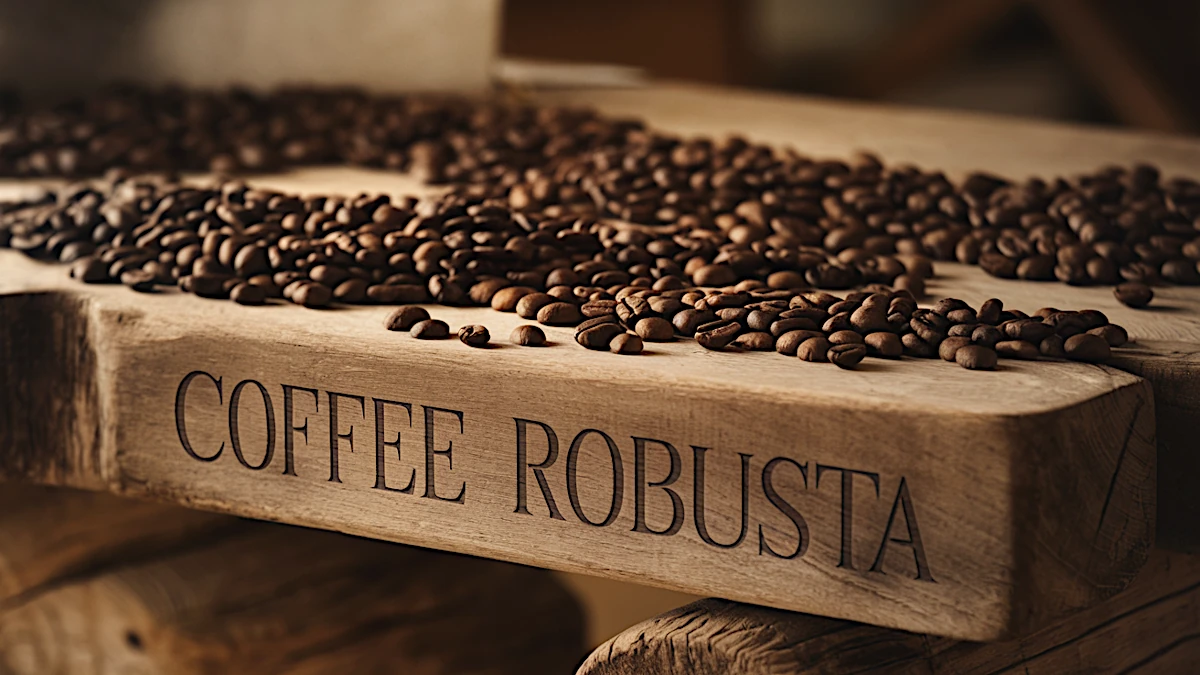
Coffea canephora, widely known as Robusta coffee, is a resilient coffee species renowned for its bold flavor and adaptability. Its unique characteristics make it an essential component of the global coffee industry.
What is Robusta coffee? Coffea canephora is a coffee species that stands out for its high caffeine content, bitter taste, and ability to thrive in challenging climates where other coffee types, like Arabica, might struggle.
This article explores the origins, key features, and significance of Robusta coffee, highlighting its role in the industry and what sets it apart from other coffee varieties. By the end, you’ll understand why Robusta is not just a “cheaper alternative” but a crucial player in meeting global coffee demand.
Table of Contents
Origins and History of Coffea Canephora
Native to Sub-Saharan Africa
- Robusta coffee traces its roots to the Congo region in sub-Saharan Africa, where it thrives in tropical climates.
- Its cultivation gained prominence in the late 19th century as a resilient alternative to Arabica, especially during coffee rust outbreaks.
Global Spread of Robusta
- Today, Vietnam is the largest producer of Robusta coffee, followed by Brazil and Indonesia.
- Robusta’s adaptability to different environments has transformed Vietnam into a global leader in coffee production, contributing significantly to the global supply chain.
Cultural and Economic Significance
- Robusta cultivation sustains millions of coffee farmers, particularly in regions where Arabica farming is less viable.
- It supports local economies and plays a key role in international coffee markets.
Key Characteristics of Robusta Coffee
Bold Flavor Profile
- Robusta beans are known for their bitter taste, often accompanied by earthy and nutty undertones.
- Though it lacks the complexity of Arabica, its robust flavor is ideal for espresso blends and instant coffee.
High Caffeine Content
- Robusta beans contain 1.7–4% caffeine, nearly double that of Arabica.
- The high caffeine content acts as a natural pest deterrent, contributing to its resilience.
Unique Appearance
- Robusta beans are smaller and rounder than Arabica, with a thicker skin, enhancing durability during processing.
Growing Conditions for Robusta Coffee
Thriving in Challenging Climates
- Robusta coffee flourishes in low to mid-altitudes (up to ~900 meters) and warm, humid environments.
- Its ability to withstand pests, diseases, and varying soil conditions makes it a hardy crop.
Comparison to Arabica
- Unlike Arabica, which requires more specific growing conditions, Robusta’s hardiness ensures higher yields even in suboptimal environments.
Varieties of Robusta Coffee
Conilon
- A high-yield variety widely cultivated in Brazil.
- Known for its adaptability and robust production.
Nganda
- Commonly grown in Central and West Africa.
- Often used in mass-market coffee blends due to its affordability and bold flavor.
Erecta
- A less common Robusta variety characterized by its upright growth pattern.
- Typically found in specific regions of Africa, valued for its resilience and productivity under challenging conditions.
Robusta Coffee’s Role in the Coffee Industry
Blending and Espresso
- Robusta beans are essential for espresso blends, providing body, crema, and a strong flavor profile.
- They are also the primary choice for instant coffee production, thanks to their affordability and durability.
Cost-Effectiveness
- Robusta’s higher yields and ease of cultivation result in lower production costs, making it a key player in meeting global coffee demand.
Challenges Facing Robusta Coffee
Flavor Perception
- Robusta’s bold and bitter taste is often considered inferior to Arabica, impacting its reputation in specialty markets.
Climate Change Vulnerability
- Despite its resilience, Robusta is not immune to extreme weather or rising temperatures caused by climate change.
Water Needs
- Robusta’s high moisture requirements limit its cultivation to tropical regions with consistent rainfall.
The Future of Coffea Canephora
Innovations in Farming and Processing
- Advances in processing techniques are enhancing the flavor profile of Robusta, opening opportunities for specialty coffee markets.
Growing Role in Specialty Coffee
- As global coffee demand rises, Robusta’s adaptability and affordability make it indispensable, particularly for meeting the needs of emerging coffee markets.
Conclusion
Coffea canephora, or Robusta coffee, is more than just a cost-effective alternative to Arabica. Its resilience, bold flavor, and economic importance solidify its position as a cornerstone of the global coffee industry.
As climate change reshapes agriculture, Robusta’s hardiness and adaptability will likely play a pivotal role in sustaining the coffee supply for generations to come. Far from being an unsung hero, Robusta is a testament to coffee’s versatility and enduring appeal.
1 comment
A warm thank you! 😊