


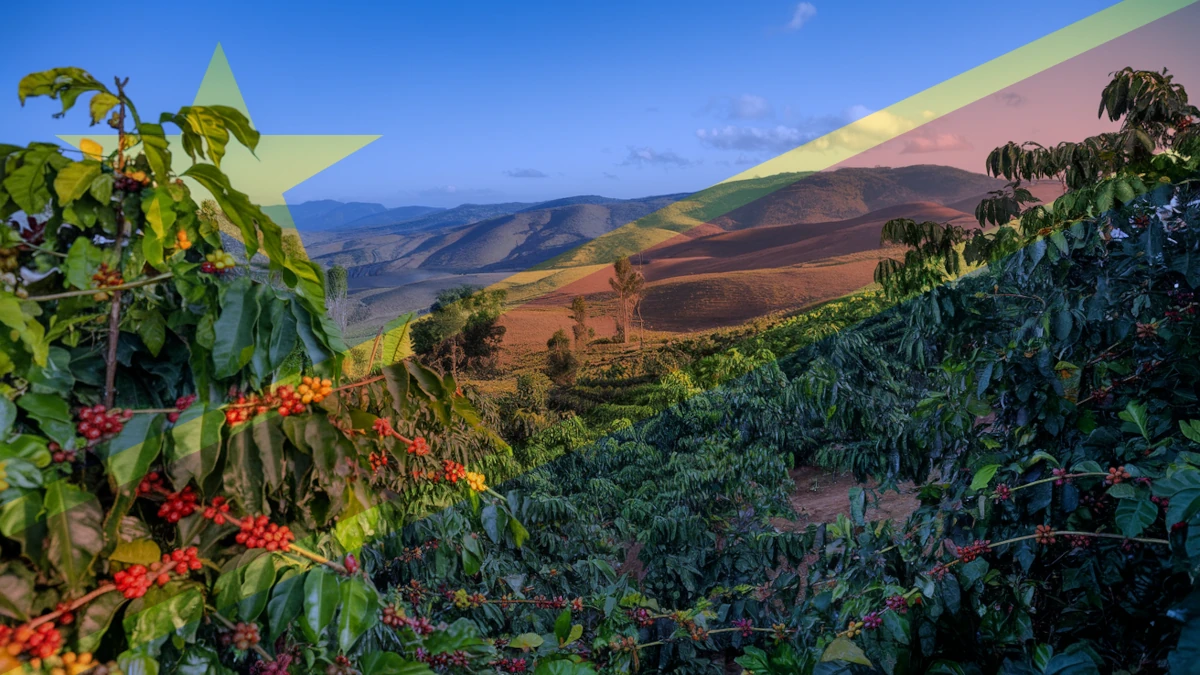
The Democratic Republic of the Congo (DRC) is emerging as a producer of exceptional coffee, celebrated for its rich, full-bodied flavors and unique regional profiles. With a fascinating history and promising future, DRC coffee is captivating the attention of coffee enthusiasts worldwide.
This guide explores the origins, flavors, and regions of Congo coffee, shedding light on its rising status in the global coffee market. By the end, you’ll understand why Congo coffee beans are a must-try for every coffee lover.
Table of Contents
The Legacy of Congo Coffee
A Brief History of Coffee in the DRC
- Introduction of coffee: Coffee was first introduced to the DRC in 1881.
- Rise of Robusta coffee: During the colonial era, Belgian colonists cultivated Coffea canephora (Robusta), making it a significant crop.
- Impact of political instability: The Congo Wars (1996-2003) severely affected production, alongside challenges like infrastructure decline and coffee wilt disease.
The Coffee Revival Movement
- Post-2012 efforts: Initiatives to revitalize the coffee sector have focused on improving quality and supporting smallholder farmers.
- Key players: Smallholder farmers, cooperatives, and international partnerships are driving the resurgence of specialty coffee in the region.
Key Congo Coffee Regions
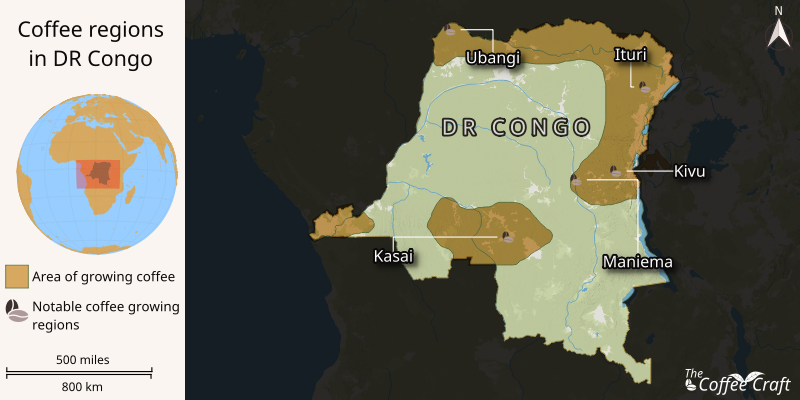
Kivu Region
- Description: Known for its volcanic soil, high altitudes, and tropical climate, the Kivu region is the heart of Congo’s Arabica coffee production.
- Flavor profile: Bright acidity with fruity notes of berries, hints of spice, and a chocolatey finish.
- Significance: The crown jewel of DRC coffee, highly sought after in the specialty market.
Ituri Region
- Description: Situated in northeastern DRC, Ituri is an emerging player in Arabica and Robusta coffee production.
- Potential: Shares favorable growing conditions with renowned neighboring regions, making it a future contender in the specialty coffee world.
Orientale Province
- Description: Historically significant for Robusta production, Orientale’s coffee is robust and full-bodied.
- Flavor profile: Ideal for espresso and dark roasts due to its bold characteristics.
Maniema
- Description: Located near Kivu, Maniema is an up-and-coming region for Arabica coffee.
- Unique attributes: Offers similar growing conditions to Kivu, with production steadily increasing as infrastructure develops.
The Flavors of Congo Coffee
What Makes DRC Coffee Unique?
- Standout characteristics: A delightful balance of sweetness, fruitiness, and full-bodied richness.
- Highlight: Kivu coffee shines with its bright berry notes, spicy undertones, and smooth chocolate finish.
Comparing Congo Coffee to Other African Coffees
- Ethiopian coffee: Known for its floral and citrusy notes.
- Kenyan coffee: Famous for its bright acidity and blackcurrant flavors.
- Congo coffee: Stands out with its fuller body and fruit-forward profile, offering a unique addition to Africa’s coffee diversity.
Challenges and Opportunities
Overcoming Challenges
- Political instability: Ongoing efforts to improve governance and infrastructure.
- Agricultural hurdles: Tackling coffee wilt disease and enhancing traceability for better market access.
Opportunities for Growth
- Rising demand for specialty coffee: DRC coffee is gaining traction in international markets.
- Sustainable practices: Innovative farming techniques and global partnerships support growth and quality.
Why Choose Congo Coffee?
Supporting Resilience
- Empowering farmers: Purchasing DRC coffee directly supports smallholder farmers and cooperative initiatives.
- Economic impact: Contributes to rebuilding a sustainable coffee industry in a region with a tumultuous history.
A Rising Star in Specialty Coffee
- Global recognition: With its unique flavors and growing reputation, Congo coffee is becoming a sought-after specialty product.
- Perfect for enthusiasts: Ideal for those looking to explore new and exciting coffee origins.
Conclusion
Congo coffee’s journey from its colonial roots to its modern revival as a specialty coffee producer is a testament to resilience and innovation. The regions of Kivu, Ituri, Orientale, and Maniema are crafting exceptional beans that rival Africa’s top coffee nations.
For coffee enthusiasts, Congo coffee beans offer a unique flavor profile, a rich history, and an opportunity to support a growing industry. Whether you’re drawn to its fruity, full-bodied notes or its inspiring story, Congo coffee is a cup worth savoring.