


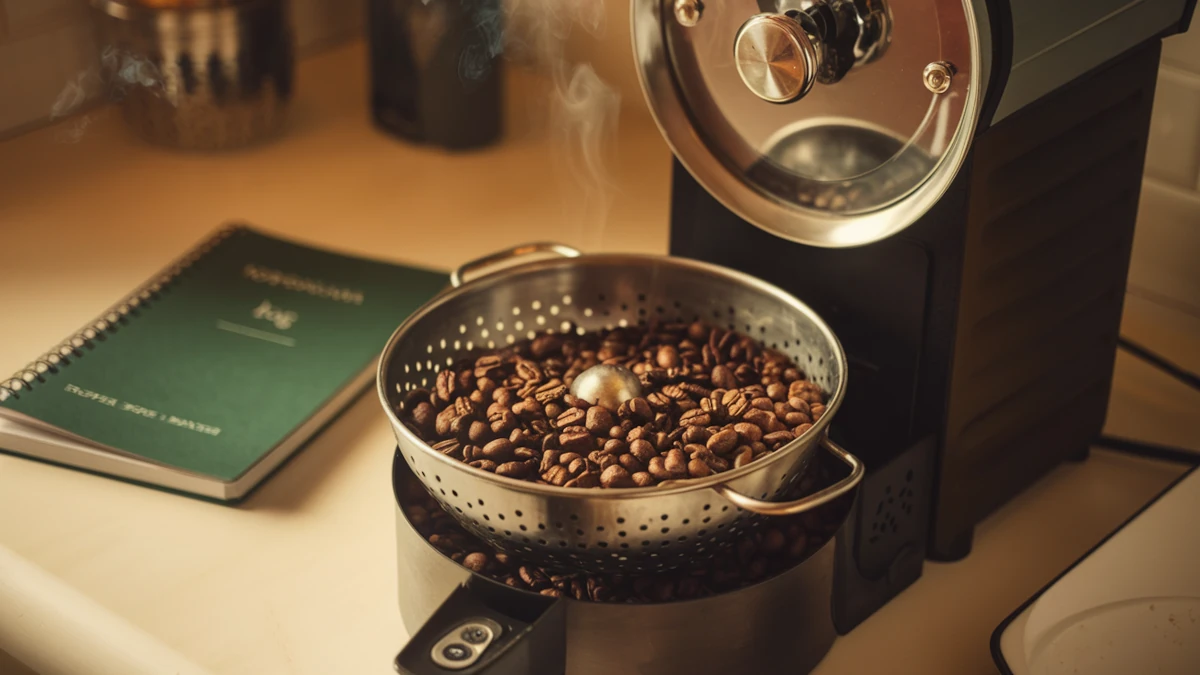
Ever wondered how to roast coffee at home and craft fresh, personalized brews that rival your favorite coffee? Home coffee roasting is a growing trend among coffee enthusiasts, offering the chance to unlock unique flavors and gain full control over the roasting process.
This guide will help you master the art of roasting coffee at home, covering essential tools, techniques, and tips to start your journey. Whether you’re seeking freshness, cost savings, or a creative new hobby, home roasting has something special to offer.
Table of Contents
Why Roast Coffee at Home?
Roasting coffee beans at home is more than a cost-effective solution—it’s a chance to connect with your coffee on a deeper level. Here’s why it’s worth exploring:
- Freshness and Flavor Control: Roast only what you need, ensuring your coffee is always at its peak.
- Experimentation: Explore light, medium, or dark roasts and discover flavors tailored to your taste.
- Cost Savings: Green coffee beans are often cheaper than pre-roasted ones, making home roasting budget-friendly.
Ready to explore a world of flavors in every cup? Let’s dive in!
Essential Tools for Roasting Coffee at Home
Roasting coffee doesn’t require fancy equipment. Here’s a breakdown of tools for every skill level:
Getting Started with Basic Tools
- Oven: Spread beans on a baking sheet and roast at high heat.
- Pros: Affordable, uses common kitchen equipment.
- Cons: Requires constant attention; uneven roasts are common.
- Skillet: Roast beans over a stovetop with continuous stirring.
- Pros: Budget-friendly and simple to try.
- Cons: Hard to control temperature; messy process.
Intermediate Tools
- Popcorn Machines: Use hot air to roast beans quickly.
- Pros: Affordable and beginner-friendly.
- Cons: Limited capacity and control over roast levels.
Advanced Roasting Equipment
- Dedicated Home Roasters: Designed for precision with temperature and roast settings.
- Pros: Consistent results and ease of use.
- Cons: Higher upfront cost.
| Tool | Cost | Ease of Use | Best For |
|---|---|---|---|
| Oven | Low | Moderate | Beginners |
| Popcorn Machine | Low to Medium | Easy | Small Batches |
| Home Coffee Roaster | High | Easy to Advanced | Serious Roasters |
Step-by-Step Guide to Roast Coffee Beans at Home
1. Choosing Green Coffee Beans
- Select beans based on origin (e.g., Ethiopia for fruity notes, Brazil for chocolatey flavors).
- Source beans from specialty shops or online retailers for high quality.
2. Roasting Process
- Preheat your chosen equipment for even heat distribution.
- Add beans and agitate continuously to ensure uniform roasting.
- Listen for the “first crack” (a popping sound) indicating a light roast.
- Continue roasting for desired levels:
- Light Roast: Bright and acidic flavors.
- Medium Roast: Balanced, sweet notes.
- Dark Roast: Bold and robust taste.
3. Cooling and Storing Your Beans
- Spread roasted beans on a baking sheet or metal colander to cool quickly.
- Store in an airtight container in a cool, dark place to preserve freshness.
Types of Home Coffee Roasters
Hot-Air Roasters
- Ideal for beginners.
- Benefits: Even roasting, shorter roast times.
- Considerations: Requires proper ventilation to manage smoke.
Drum Roasters
- Best for intermediate or advanced users.
- Benefits: Deeper, complex flavors and precise roast control.
- Considerations: Higher cost and learning curve.
Choose the right roaster based on your goals and experience level.
Tips for Perfecting Your Roast
- Experiment with Timing and Temperature: Shorter roast times yield lighter profiles; longer roasts develop richer flavors.
- Keep a Roasting Log: Record details like temperature, time, and outcomes for consistent improvement.
- Taste and Adjust: Brew and taste every batch to refine your technique.
Home Roasting Safety Tips
- Ensure Proper Ventilation: Roasting creates smoke; use a fan or open windows.
- Use Heat Protection: Handle hot equipment with gloves.
- Monitor Closely: Never leave your roasting process unattended.
Common Challenges in Home Roasting
- Uneven Roasts: Ensure consistent agitation and monitor temperature.
- Smoke Management: Use ventilation or roast outdoors.
- Learning Curve: Practice makes perfect—experiment with small batches.
The Rewards of Home Coffee Roasting
By roasting coffee at home, you gain:
- Personalized Flavor Profiles: Tailored to your taste.
- A Creative Hobby: Discover the science and art behind great coffee.
- Connection to Coffee Origins: Deepen your appreciation for the craft.
Conclusion
Roasting coffee at home is a rewarding journey that allows you to craft fresh, custom brews. With the right tools and tips, anyone can master this process. Start simple, experiment boldly, and enjoy the unmatched satisfaction of sipping your perfect cup.
Ready to roast coffee at home? Let your journey begin today!