


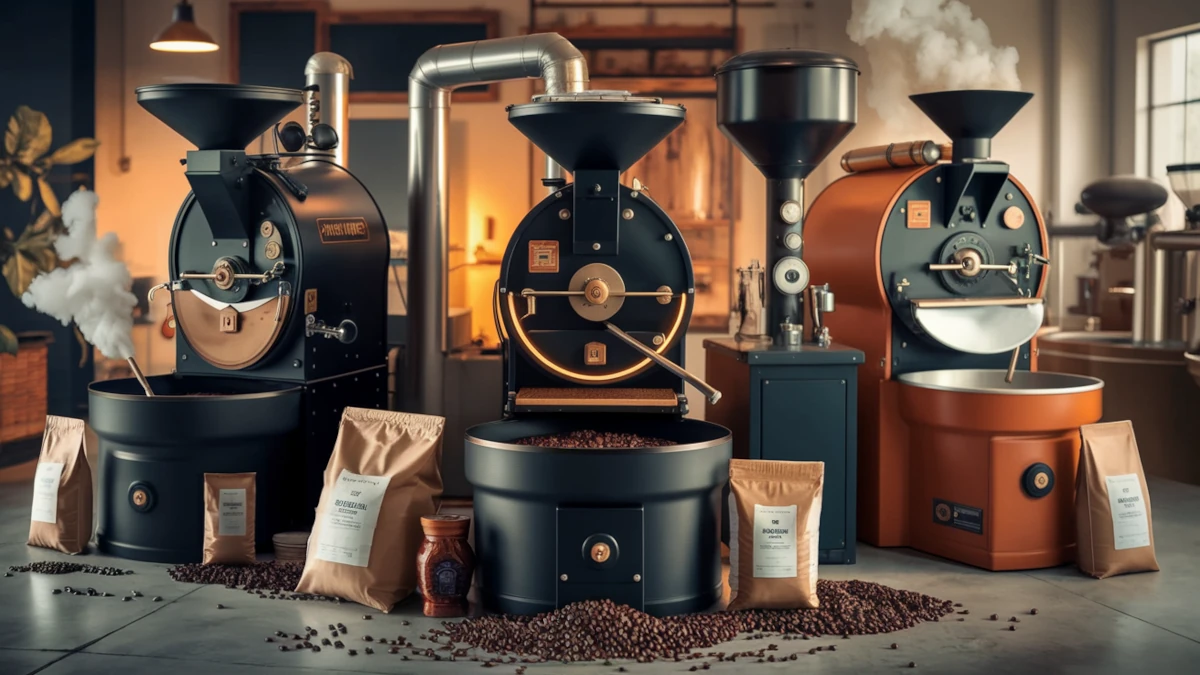
Coffee roasting is more than just a process—it’s an art that transforms raw green beans into the aromatic beverage we adore. But did you know that coffee roaster types play a pivotal role in shaping the flavor, aroma, and quality of your coffee? Whether you’re a curious beginner or a craft coffee enthusiast, understanding the impact of different roasting methods will help you appreciate the wide variety of flavors in every cup.
Table of Contents
The Science Behind Coffee Roasting
What Happens During Coffee Roasting?
Coffee roasting involves a series of chemical reactions that bring green coffee beans to life:
- Maillard Reaction: Heat causes sugars and amino acids to react, creating complex flavors and aromas.
- Caramelization: Sugars break down and caramelize, contributing sweetness and depth.
- Pyrolysis: The structural breakdown of beans, which releases volatile compounds responsible for coffee’s aroma.
Why Coffee Roaster Types Matter
The roasting process depends heavily on the equipment used. Variations in temperature control, airflow, and roasting speed can dramatically alter the flavor profile. A good roaster doesn’t just heat the beans—it carefully manages these factors to bring out the best in the coffee.
Exploring Coffee Roaster Types
Different roasters yield distinct results. Let’s dive into the most common methods.
1. Drum Roasters
- How They Work: Coffee beans are placed in a rotating drum heated by gas or electric elements. The drum ensures even roasting by tumbling the beans continuously.
- Advantages:
- Provides precise control over temperature and time.
- Enables the development of complex, nuanced flavors.
- Best For: Small-batch and specialty coffee roasters who value artisanal quality.
2. Fluid-Bed Roasters
- How They Work: Hot air circulates through a chamber, suspending the beans in a “fluid” motion to achieve even heating.
- Advantages:
- Faster roasting times.
- Uniform roast levels with consistent airflow.
- Best For: High-volume commercial operations needing efficiency without sacrificing quality.
3. Tangential Roasters
- How They Work: Internal paddles mix the beans while heating, ensuring consistent exposure to heat.
- Advantages:
- Ideal for large batches.
- Balances efficiency with flavor retention.
- Best For: Industrial roasters handling significant quantities.
4. Centrifugal Roasters
- How They Work: Beans are spun in a cone-shaped chamber, using centrifugal force to achieve ultra-fast roasting.
- Advantages:
- High efficiency and reduced weight loss.
- Perfect for instant coffee production.
- Limitations: Produces less flavor complexity compared to slower methods.
How Roaster Types Impact Flavor & Aroma
Flavor Profiles by Roaster Type
- Drum Roasters: Known for rich, layered flavors with a full body.
- Fluid-Bed Roasters: Produce bright, clean notes with consistent roasting.
- Tangential Roasters: Strike a balance between richness and efficiency.
- Centrifugal Roasters: Optimize yield but may lack depth in flavor.
Matching Roaster Types to Coffee Beans
- Light Roasts: Pair well with fluid-bed roasters to enhance delicate, fruity notes.
- Dark Roasts: Benefit from drum roasters, which develop bold, smoky profiles.
Choosing the Right Coffee Roaster
Factors to Consider
When selecting a coffee roaster, think about:
- Batch Size: Small-batch roasters might prefer drum roasters, while large-scale operations could benefit from tangential machines.
- Desired Flavor Profile: Choose based on the flavors you wish to highlight.
- Budget: Fluid-bed roasters offer efficiency at a lower cost compared to artisan drum models.
Recommendations for Beginners
If you’re just starting, here’s what to consider:
- For Home Roasting: Try small fluid-bed roasters for simplicity.
- For Small Businesses: Drum roasters offer control and artisanal quality.
Conclusion
Understanding coffee roaster types opens up a world of flavor possibilities. From the slow, precise artistry of drum roasters to the rapid efficiency of centrifugal machines, each method has its unique advantages. By learning about these processes, you can better appreciate the diversity of flavors in every cup and choose the roasting method that suits your preferences.
Ready to elevate your coffee experience? Dive into the world of roasting and discover how the right equipment makes all the difference.