


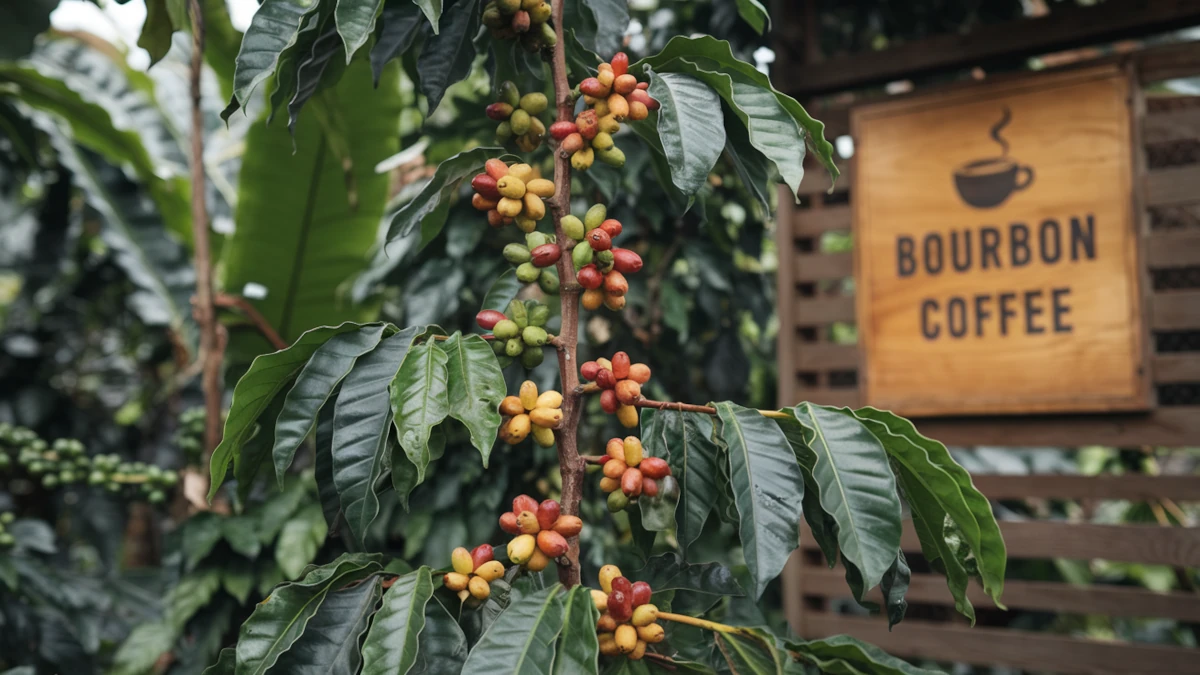
What is Bourbon coffee? This cherished Arabica variety has captivated coffee enthusiasts for centuries with its rich history, unique flavor profile, and vital role in the specialty coffee industry. In this article, we’ll uncover Bourbon coffee’s origins, characteristics, and its enduring significance, offering a deep dive into one of the world’s most beloved coffee varieties.
Table of Contents
The Origins and History of Bourbon Coffee
Tracing the Roots of Bourbon Coffee
Bourbon coffee’s story begins in Yemen, where it originated as a natural mutation of the Typica variety. French missionaries transported it to Île Bourbon (now La Réunion) in the early 1700s, giving the coffee its iconic name. From there, it spread to Africa and Latin America, becoming a cornerstone of the coffee-growing regions in the 19th century.
Key Historical Milestones
- 18th Century: Cultivated in Yemen and introduced to Île Bourbon.
- Mid-1800s: Spread to Brazil, El Salvador, and Guatemala.
- Modern Era: While replaced by higher-yielding hybrids, Bourbon remains a favorite in specialty coffee for its unique traits.
Characteristics of Bourbon Coffee
Plant Traits
- Height: Tall-growing variety.
- Yield: Medium, producing 20–30% more than Typica.
- Ideal Altitude: Grows best between 1,100 and 2,000 meters.
- Challenges: Prone to pests and diseases like coffee rust, requiring careful management.
Flavor Profile
Bourbon coffee is celebrated for its distinctive sweetness and balance, often described as:
- Medium-bodied with low acidity.
- Notes of chocolate, nuts, and fruits like cherry and fig.
- Color Variants:
- Red Bourbon: Emphasizes sweetness and creaminess.
- Yellow Bourbon: Offers citric and bright fruity notes.
- Pink Bourbon: Delicate and aromatic, often cultivated in Colombia.
Cultivation Insights for Producers
Ideal Growing Conditions
Bourbon thrives in high-altitude regions with consistent temperatures. Shade-grown techniques benefit cherry ripening, stabilize soil temperatures, and reduce disease risks. However, challenges like climate change and irregular rainfall require adaptive strategies.
Processing Methods
- Natural and Honey Processes: Retain sweetness, especially in dry climates.
- Fermentation: Tailored methods highlight the coffee’s best attributes, adding depth to its flavor profile.
Maintenance for Quality
Producers must prioritize consistent nutritional management, pest control, and disease monitoring to maintain quality.
Roasting Bourbon Coffee
Roasting Techniques
Bourbon’s dense beans and complex chemistry call for precision:
- Use higher charge temperatures with shorter roast times to bring out its natural sweetness and creamy body.
- Medium to light roasts best highlight its delicate flavors.
Brewing Suggestions
- Chemex: Emphasizes clarity, sweetness, and complexity.
- French Press: Highlights its creamy texture and full-bodied flavor.
Regional Variants of Bourbon Coffee
Genetic Variations
The Red, Yellow, Orange, and Pink Bourbon variations each bring distinct characteristics:
- Yellow Bourbon: Known for its juicy, sweet profile.
- Pink Bourbon: Aromatic with a high cup score.
- Red Bourbon: Balanced and creamy.
Flavor Differences by Region
- East Africa: Known for its bright acidity and vibrant fruity notes.
- Latin America: Offers balanced and sweet profiles with nutty undertones.
The Future of Bourbon Coffee
Challenges in Modern Cultivation
Climate change, pests, and hybrid competition pose risks to Bourbon cultivation. Its lower yields compared to newer varieties make it less attractive to commercial growers.
Opportunities for Producers
Specialty coffee producers are finding success by targeting niche markets. Research into improved cultivation methods and processing techniques could ensure Bourbon’s continued relevance.
Conclusion
Bourbon coffee stands as a testament to quality and dedication, blending history, unique traits, and innovation. From its origins on Île Bourbon to its modern role in specialty coffee, this iconic variety continues to inspire producers and delight coffee enthusiasts. Whether savored through a Chemex or a French press, Bourbon coffee offers an exceptional journey in every cup.