


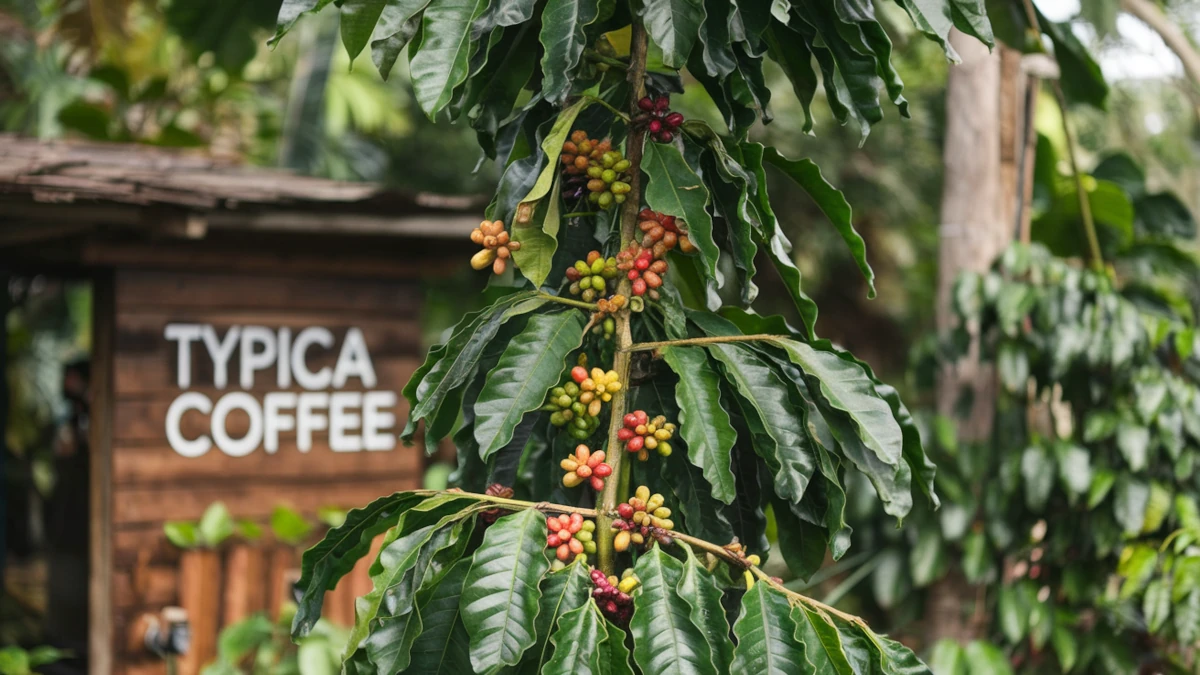
What makes Typica coffee a cornerstone of Arabica’s history and a favorite in specialty markets? Known for its smooth flavor profile and deep historical roots, Typica coffee is one of the most iconic Arabica varieties. In this article, we’ll explore its origins, flavor nuances, cultivation challenges, and enduring legacy. Whether you’re a coffee connoisseur or a curious enthusiast, uncover why Typica coffee remains a symbol of excellence in the specialty coffee world.
Table of Contents
The Rich History of Typica Coffee
Origins of Typica Coffee
Typica coffee traces its beginnings to Ethiopia, the birthplace of coffee, and Yemen, where it was first cultivated. From these regions, coffee’s journey to global prominence began:
- 17th Century: Dutch traders transported Typica to Java, Indonesia.
- 1706: A Typica plant was sent to Amsterdam and later shared with France, marking its European introduction.
- 18th Century: The variety reached the Americas through colonial trade routes, thriving in regions like the Caribbean and Brazil.
Global Expansion Timeline
The spread of Typica coffee played a pivotal role in establishing coffee cultivation worldwide. As the variety adapted to diverse climates, it laid the foundation for coffee industries in regions like Central America, South America, and Asia.
Modern-Day Cultivation
Today, Typica coffee thrives in specialty markets across the globe, particularly in regions that prioritize high-quality, artisanal coffee production. Despite challenges, it remains a favorite for its exceptional cup profile.
Exceptional Flavor Profile of Typica Coffee
What Sets Typica Apart?
Typica coffee is celebrated for its balanced and nuanced flavor profile. Key tasting notes include:
- Bright acidity
- Floral and fruity undertones
- Subtle hints of chocolate
Regional Flavor Nuances
Depending on the region where it’s grown, Typica coffee offers unique flavor characteristics:
- Jamaica: Creamy and balanced with mild acidity.
- Hawaii: Smooth with a rich nuttiness.
- Indonesia: Full-bodied with earthy and spicy notes.
Growth Features and Cultivation Challenges
Growth Characteristics
Typica coffee plants exhibit distinctive features:
- Tall trees with elongated leaves and cherries.
- Thrive in high-altitude regions above 1,200 meters.
- Produce low yields compared to modern hybrids.
Challenges in Cultivation
Despite its exceptional quality, Typica coffee presents significant hurdles:
- Disease Vulnerability: Susceptible to coffee rust and pests.
- High Maintenance Costs: Requires careful cultivation and consistent conditions.
- Lower Productivity: Smaller harvests increase production costs.
Famous Varieties Derived from Typica Coffee
Jamaican Blue Mountain
Renowned for its smooth, balanced flavor and creamy texture, Jamaican Blue Mountain is one of the most sought-after Typica derivatives.
Hawaiian Kona
Known for its rich nuttiness and smooth texture, Hawaiian Kona is another premium Typica variety cherished worldwide.
Sumatra
A bold, full-bodied coffee with earthy and spicy notes, Sumatra reflects Typica’s adaptability to diverse growing conditions.
Where to Find Typica Coffee
Recognizing Typica in Specialty Markets
Typica coffee often appears under regional labels like Blue Mountain, Kona, or Sumatra. Look for descriptions such as “shade-grown” or “high-altitude” to identify premium Typica beans.
Best Places to Buy Typica Coffee
To experience the best of Typica coffee, consider:
- Specialty coffee shops and gourmet food stores.
- Online retailers offering region-specific Typica beans.
The Enduring Legacy of Typica Coffee
A Symbol of Arabica Excellence
Typica coffee is more than just a variety; it’s a symbol of heritage and quality. Its smooth flavor profile and historical significance make it a cornerstone of Arabica coffee cultivation.
Typica Coffee in the Future
As specialty coffee markets evolve, Typica continues to inspire innovation and preservation. Efforts to overcome cultivation challenges ensure that Typica remains a benchmark for exceptional coffee experiences.
Conclusion
Typica coffee’s journey from the Ethiopian highlands to specialty markets worldwide is a testament to its enduring legacy. Despite cultivation challenges, its exceptional flavor and historical importance secure its place as a cornerstone of the coffee world. Whether enjoyed as Jamaican Blue Mountain, Hawaiian Kona, or another derivative, Typica coffee offers a timeless and unparalleled experience for coffee lovers.