


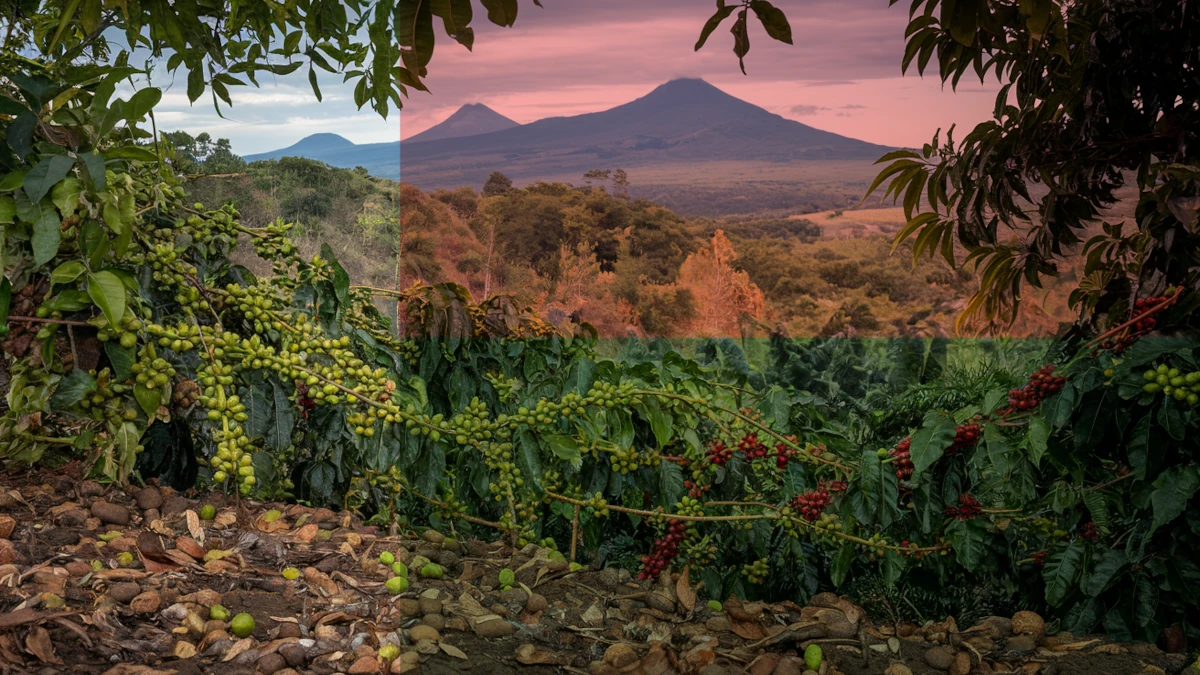
Madagascar coffee is a hidden gem in the world of specialty coffee, offering unique flavors shaped by the island’s incredible biodiversity. From chocolatey Arabicas to bold Robustas, Madagascar coffee beans captivate with their distinct profiles. In this article, we’ll explore the rich history of coffee in Madagascar, the diverse growing regions, and the tasting notes that set Malagasy coffee apart.
Table of Contents
A Brief History of Madagascar Coffee
Origins of Coffee in Madagascar
Coffee first arrived in Madagascar from Réunion Island in the 19th century. Under French colonial rule, coffee production flourished, peaking in the mid-20th century. By this time, Madagascar was recognized as one of the world’s top coffee producers.
Decline and Resurgence
The late 20th century brought challenges to the coffee industry, including global price crashes, aging infrastructure, and competition from other crops. However, sustainable farming practices and private initiatives are now reviving Madagascar’s coffee industry, paving the way for a brighter future.
Madagascar Coffee Varieties and Their Characteristics
Arabica Coffee
- Characteristics: Bright acidity, fruity undertones, and floral aromas.
- Regions: High-altitude areas like Fianarantsoa, where volcanic soils and cool climates create perfect growing conditions.
Robusta Coffee
- Characteristics: Bold, earthy flavors with a strong body, ideal for espresso blends.
- Regions: Tropical, low-altitude zones like Toamasina, known for producing robust and full-bodied beans.
Coffee-Growing Regions in Madagascar
Sambirano Valley (Northwest Madagascar)
Located near cocoa farms, Sambirano Valley produces chocolatey Arabicas with fruity undertones. This region benefits from fertile soils and a unique climate influenced by nearby rivers.
Fianarantsoa (Central Highlands)
Home to bright and floral Arabica coffee, Fianarantsoa’s volcanic soils and high altitudes create exceptional beans sought after by specialty coffee lovers.
Itasy Region (Near Antananarivo)
Primarily a Robusta-producing area, the Itasy region yields bold and aromatic coffee grown in volcanic soil with ample rainfall.
Toamasina (East Coast)
Known for its earthy and bold Robusta coffee, this region’s tropical climate is ideal for cultivating beans with strong body and depth, often used in espresso blends.
Antsirabe (Central Madagascar)
Coffee from Antsirabe offers a pleasant balance of acidity and body, with nutty and cocoa notes adding complexity to both Arabica and Robusta varieties.
Mananara (Northeast Coast)
A humid, tropical climate allows Mananara to produce resilient Robusta coffee with tropical undertones, making it perfect for strong, full-bodied brews.
Tasting Notes and Brewing Tips
Tasting Profiles by Region
- Sambirano Valley: Rich, chocolatey notes with a fruity finish.
- Fianarantsoa: Floral and citrusy, with bright acidity.
- Toamasina: Bold, earthy, and full-bodied, ideal for espresso.
Best Brewing Methods for Madagascar Coffee
- French Press: Enhances bold flavors and full body, especially for Robusta beans.
- Espresso: Highlights the boldness and depth of Madagascar’s robust profiles.
- Pour Over: Brings out fruity and floral notes in Arabica coffee.
Challenges Facing Malagasy Coffee Farmers
Despite the rich potential of Madagascar coffee, farmers face several challenges:
- Aging Coffee Trees: Many plants are past their prime, leading to reduced yields.
- Infrastructure Issues: Limited access to roads and processing facilities hampers efficiency.
- Climate Change: Shifting weather patterns threaten the sustainability of coffee cultivation.
- Global Market Pressures: Malagasy farmers often struggle to compete with larger coffee-producing nations.
The Future of Madagascar Coffee
Sustainable Initiatives
Efforts to promote organic farming and protect wild coffee species are helping restore Madagascar’s coffee industry. These practices aim to ensure environmental and economic sustainability.
Global Market Potential
With increasing recognition as a specialty coffee origin, Madagascar has the potential to secure premium pricing and direct trade opportunities, offering coffee lovers a taste of its rare and diverse beans.
Conclusion
Madagascar coffee is a treasure waiting to be discovered. Its rich history, diverse regions, and unique flavors make it an underappreciated gem in the coffee world. As sustainable initiatives continue to gain momentum, coffee from Madagascar is poised to captivate coffee enthusiasts worldwide.
So next time you’re brewing a cup, consider the journey of Malagasy coffee beans—from the lush Sambirano Valley to your morning routine—and savor the incredible flavors of this remarkable island.