


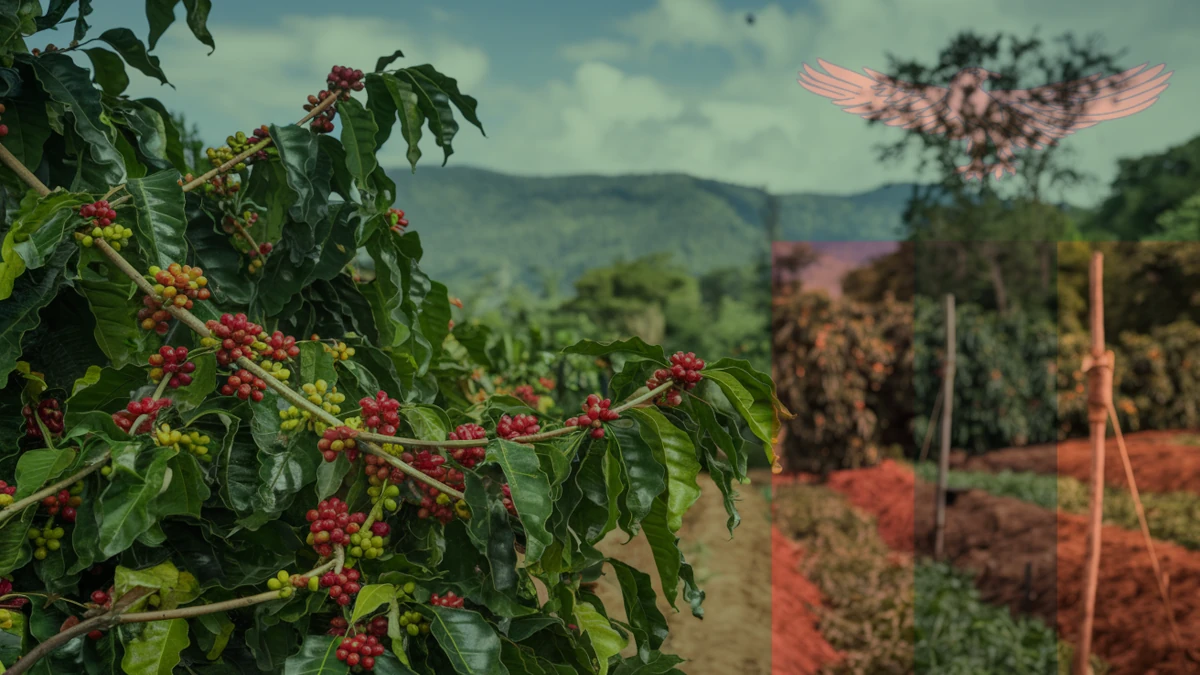
Zambia coffee is an emerging gem in the world of specialty coffee, capturing attention with its unique flavors and promising potential. Nestled in the heart of Africa, Zambia’s coffee-growing regions like the Northern and Muchinga provinces produce beans celebrated for their vibrant floral notes and balanced acidity. Coffee in Zambia is primarily grown in these key provinces, offering diverse flavor profiles and an exciting narrative of growth and revival. This article delves into Zambia’s coffee-growing regions, distinct flavors, and the challenges shaping its journey, offering coffee enthusiasts a deeper appreciation of this hidden treasure.
Table of Contents
The Origins of Zambian Coffee
Historical Beginnings
The story of coffee from Zambia began in the 1950s when Bourbon seeds were introduced by British colonialists from neighboring Kenya and Tanzania. Initially planted around Lusaka, the seeds struggled due to unsuitable soil and climatic conditions. Post-independence in 1964, Zambia shifted its focus to areas with better-growing conditions, such as the Northern and Muchinga provinces. By 1985, Zambia exported its first coffee batch, a significant milestone marking its entry into the global coffee market.
Challenges in Early Production
The early years of Zambian coffee production were fraught with difficulties, from poor soil to limited agricultural expertise. However, the 1970s and 1980s saw improved practices and better region selection, setting the stage for higher-quality coffee.
Key Coffee-Growing Regions in Zambia
Zambia’s success in coffee production can be attributed to its diverse growing regions, each contributing unique flavors:
Northern Province
This region stands out with high altitudes and a temperate climate, ideal for cultivating premium coffee. The beans here offer bright floral notes and balanced acidity, making them highly sought after in the specialty coffee market.
Muchinga Province
Neighboring the Northern Province, Muchinga boasts fertile soils and steady rainfall. Coffee grown here is known for its sweet caramel and chocolate undertones, offering a smooth yet complex flavor profile.
Central Province
While smaller in scale, the Central Province complements production from northern regions. Coffee from this area adds depth to Zambia’s overall output, often characterized by consistency and reliability.
Copperbelt Province
Primarily associated with mining, Copperbelt also produces coffee, though on a smaller scale. Estates dominate this region, and the lack of infrastructure limits smallholder farming.
The Flavor Profile of Zambian Coffee
Zambian coffee beans embody the best of East African coffee, showcasing flavors that captivate enthusiasts worldwide.
- Distinctive Tasting Notes: Expect vibrant floral notes, hints of fruit punch, and chocolate and caramel undertones balanced with mild acidity.
- Comparison with Neighbors: While sharing similarities with Kenyan and Tanzanian coffees, Zambian beans are softer, with a delicate sweetness.
- What Makes It Unique?: Zambia’s focus on single-estate production allows meticulous care in cultivation and processing, delivering rare, high-quality beans.
Challenges Facing Zambia’s Coffee Industry
Production Decline and Recovery
At its peak in 2003, Zambia produced 119,000 bags of coffee. However, by 2014, production dropped to a mere 3,000 bags due to factors like the collapse of Northern Coffee Corporation.
Economic and Environmental Obstacles
Pests, diseases, and climate change continue to threaten Zambia’s coffee output. Additionally, limited financing hampers smallholder farmers, who form the backbone of many coffee-growing communities.
Overcoming Challenges
Renewed public and private investments, coupled with modern farming techniques, are driving a revival in the coffee sector. These efforts are restoring Zambia’s position as a producer of premium coffee.
The Promising Future of Zambian Coffee
Rising Investments and Quality Initiatives
Zambia is experiencing a surge in initiatives aimed at improving coffee quality and yields. Collaborations between government and the private sector are providing farmers with access to resources and training.
Zambia’s Role in Specialty Coffee Markets
As recognition of Zambian coffee grows, its beans are carving a niche in the global specialty market, standing out for their unique flavors and meticulous production methods.
Conclusion
Zambia coffee is a testament to resilience and innovation in the face of challenges. From its origins in the 1950s to the flavorful beans produced today in regions like Northern and Muchinga provinces, Zambian coffee offers a delightful journey of discovery for enthusiasts. With renewed investments and dedication to quality, Zambia is poised to shine brightly in the global coffee scene. Whether you’re a seasoned connoisseur or a casual drinker, exploring the unique flavors of Zambian coffee beans is an experience worth savoring.