


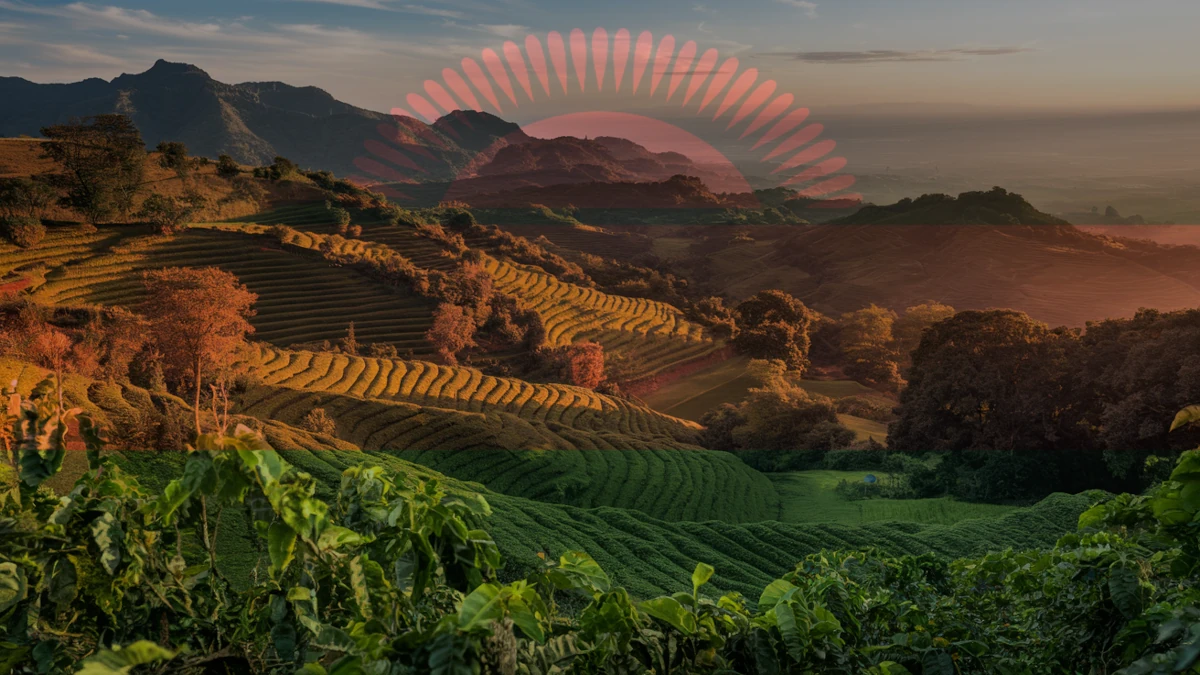
Malawi, a small yet remarkable player in the global coffee industry, is steadily gaining recognition for its high-quality Arabica coffee. From the fertile terraces of Thyolo to the cool highlands of Mzuzu, Malawian coffee offers a unique blend of floral and sweet flavors. Despite its modest scale, Malawi’s coffee industry stands out for its sustainability, rich history, and distinct growing regions.
In this article, we’ll explore the history, key coffee-growing regions, farming practices, and flavor profiles that define Malawi coffee.
Table of Contents
The History of Coffee in Malawi
Early Beginnings
The story of coffee in Malawi began in the late 1800s, when British missionary John Buchanan introduced the first coffee tree, reportedly transplanted from the Edinburgh Botanical Gardens. Coffee cultivation initially thrived in Blantyre, with production reaching 1,000 tonnes annually by 1900. However, challenges like pests, soil management issues, and competition from larger producers such as Brazil slowed the industry’s growth.
Modern Developments
In the 1950s, Malawi experienced a resurgence in coffee production driven by cooperative movements, but political and economic turmoil in the 1970s led to a decline. Today, Malawi produces an average of 1,500 tonnes annually, with a renewed focus on quality, traceability, and sustainable farming practices.
Key Coffee-Growing Regions in Malawi
Malawi’s coffee-growing regions are as diverse as the coffees they produce, each offering a unique terroir and flavor profile.
Thyolo – Southern Malawi’s Coffee Gem
Thyolo, one of Malawi’s most historic coffee regions, boasts fertile soils and a cool, mountainous climate. Coffee from Thyolo is known for its rich, well-rounded flavors, deeply rooted in the country’s coffee tradition.
Mulanji – Volcanic Soils and High Altitudes
Located near the imposing Mulanji Mountain, this region benefits from volcanic soils and high elevations, producing sweet, balanced coffees. Mulanji’s unique terroir contributes to its smooth body and gentle acidity.
Mzuzu Highlands – The Heart of Sustainability
The Mzuzu Coffee Cooperative is a standout in Malawi’s northern region, focusing on traceability and empowering smallholder farmers. Coffees from the Mzuzu Highlands are typically clean, sweet, and well-balanced, appealing to specialty coffee markets.
Nkhatabay Highlands – Emerging Excellence
This up-and-coming region is celebrated for its bright acidity and floral notes, offering a vibrant experience that appeals to specialty coffee lovers. Nkhatabay’s high altitudes and rainfall provide ideal conditions for exceptional coffee.
Viphya Plateau – Smooth and Refined Cups
The Viphya Plateau, with its cool climate and high elevations, produces coffee with mellow and balanced flavors, delivering a refined and understated profile.
Unique Coffee Farming Practices in Malawi
Terrace Farming for Sustainability
Malawian farmers practice terrace farming, a method that prevents soil erosion, retains water, and supports sustainable agriculture. This eco-friendly approach is essential for farming in the country’s mountainous regions.
Varietals Grown in Malawi
Malawi focuses on cultivating Geisha, prized for its complex flavors, and Catimor, valued for its disease resistance. This combination ensures both quality and resilience in the face of agricultural challenges.
The Distinct Flavor Profiles of Malawian Coffee
Malawi coffee is celebrated for its balanced flavors and bright acidity, offering a more subtle experience compared to the explosively fruity profiles of other East African coffees.
- Thyolo: Deep, traditional flavors with a rich body.
- Mzuzu: Sweet, clean, and well-rounded profiles.
- Nkhatabay: Floral and vibrant notes with a lively acidity.
This diversity makes Malawi coffee a treasure for specialty coffee enthusiasts.
Traceability and Sustainability in Malawian Coffee
The Role of Smallholders and Cooperatives
In Malawi, smallholder farmers play a pivotal role in coffee production, especially through initiatives like the Mzuzu Coffee Cooperative, which ensures quality control, fair trade, and traceability.
Global Recognition Through Traceability
Malawian coffee’s traceability allows buyers to track their beans back to individual farms, ensuring transparency and quality assurance. This has significantly boosted its appeal in international markets.
Why Malawi Coffee Deserves Global Attention
A Niche in the Specialty Coffee Market
Malawi coffee has carved out a niche in the specialty coffee sector, offering unique profiles that cater to discerning coffee enthusiasts.
A Focus on Tradition and Innovation
By balancing traditional farming methods with modern sustainable practices, Malawi continues to solidify its place on the global coffee stage.
Conclusion
From Thyolo’s terraces to Mzuzu’s cooperatives, Malawi coffee offers a journey rich in history, sustainability, and flavor diversity. As Malawi’s coffee industry grows, its focus on quality, traceability, and regional uniqueness ensures it remains a standout in the specialty coffee world. Whether you’re drawn to the deep flavors of Thyolo or the floral notes of Nkhatabay, Malawian coffee promises a captivating experience in every cup.